Sport as mindfulness.
Sport is one of the last places where modern life slows down. A match, a set, a lane — for an hour or two, you're in your body, with other people, not thinking about anything else. That's not a distraction from life. It's a way back into it.
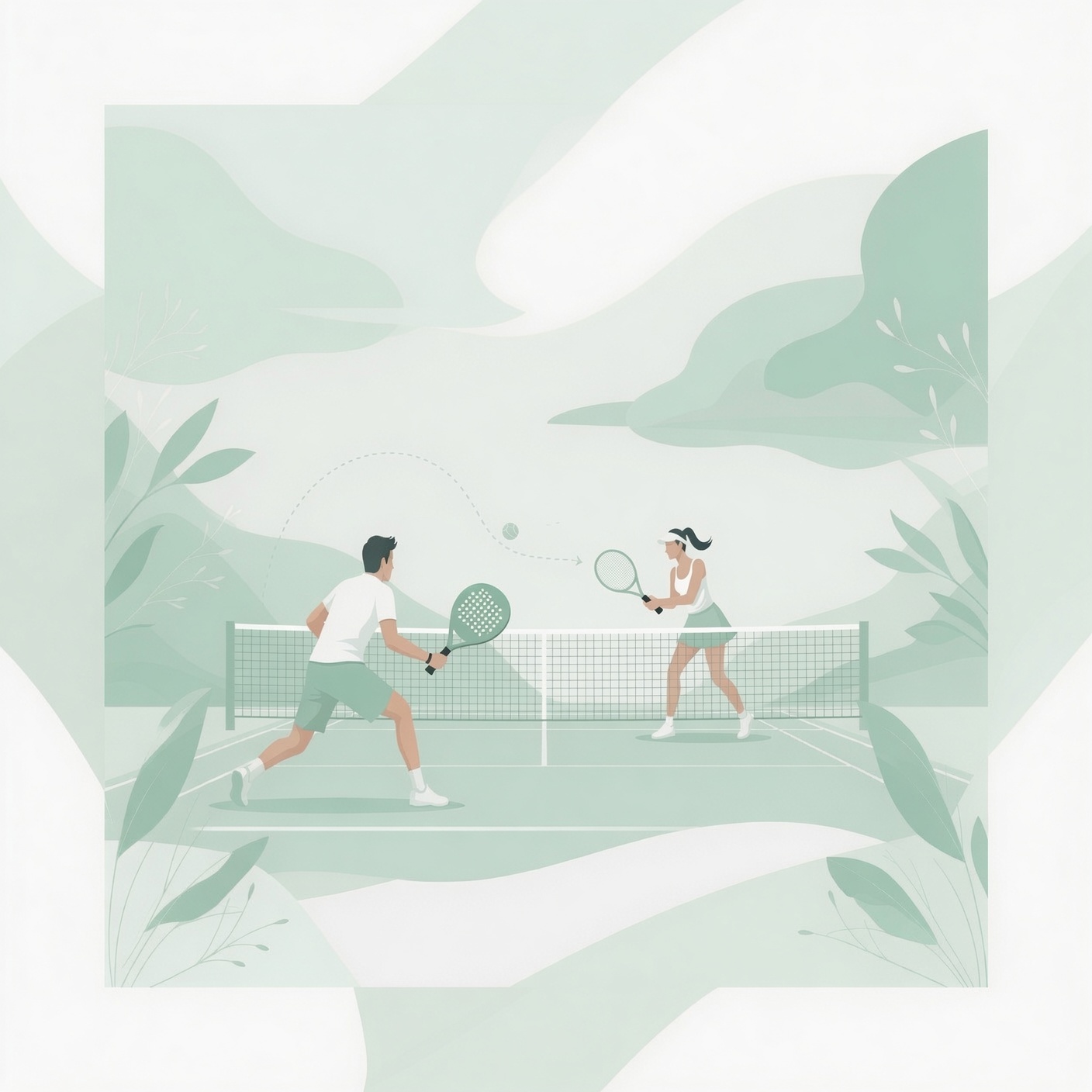
What happens when you play.
When an athlete performs well, they're rarely thinking harder — they're thinking less. The mind gets out of the way. Meditation trains the same skill. Sport uses it.
Focus under pressure
In the clutch moment, the problem is rarely skill. It's overthinking, distraction, adrenaline. Bringing the mind back to the present moment is what separates a good shot from a rushed one.
Faster reset after a mistake
Great players aren't perfect — they recover faster. A missed point is acknowledged, released, and the next moment begins. Without that reset, one error becomes three.
Flow
Athletes call it "the zone." It's not mysticism — it's full attention, no mental narration, body and moment as one thing. Meditation is the same state, just named differently.
A calmer body
The right amount of energy wins. Too much adrenaline costs you the decision. A regulated breath, a steady heart — these are performance tools, not just relaxation tools.
Body awareness
Noticing the small thing you just did differently, the half-degree of shoulder rotation, the rhythm of your breath. That's technique refinement at its deepest.
Two kinds of progress.
Optional, private, woven into every booking — so players make progress on both tracks: how they're playing, and how they're feeling about it.
Intent before the session
A tap before playing — relax, improve, compete, or social. Sets the frame for the next hour.
Mindful or performance mode
Mindful tracks presence, enjoyment, energy. Performance tracks focus, execution, one thing to work on.
A gentle reflection, later
Thirty minutes after play. Two or three questions, under a minute. One reminder, never more.
Private by default
Reflections stay between the player and their venue. No coach feed, no leaderboard — unless they share.
When reflection needs a second set of eyes.
Self-reflection goes deep, but not always wide. Sometimes the pattern a player is living in is the one they can't see from the inside.
We're building a coaching layer into SportZentra — not just technique coaches, but mindfulness coaches who understand sport. Reflections stay private by default; when the player is ready, they can share them with a coach they trust. The depth comes from being heard.
Still in the works. If you're a coach — technical, mental, or both — you can join the waitlist.
Join the coach waitlist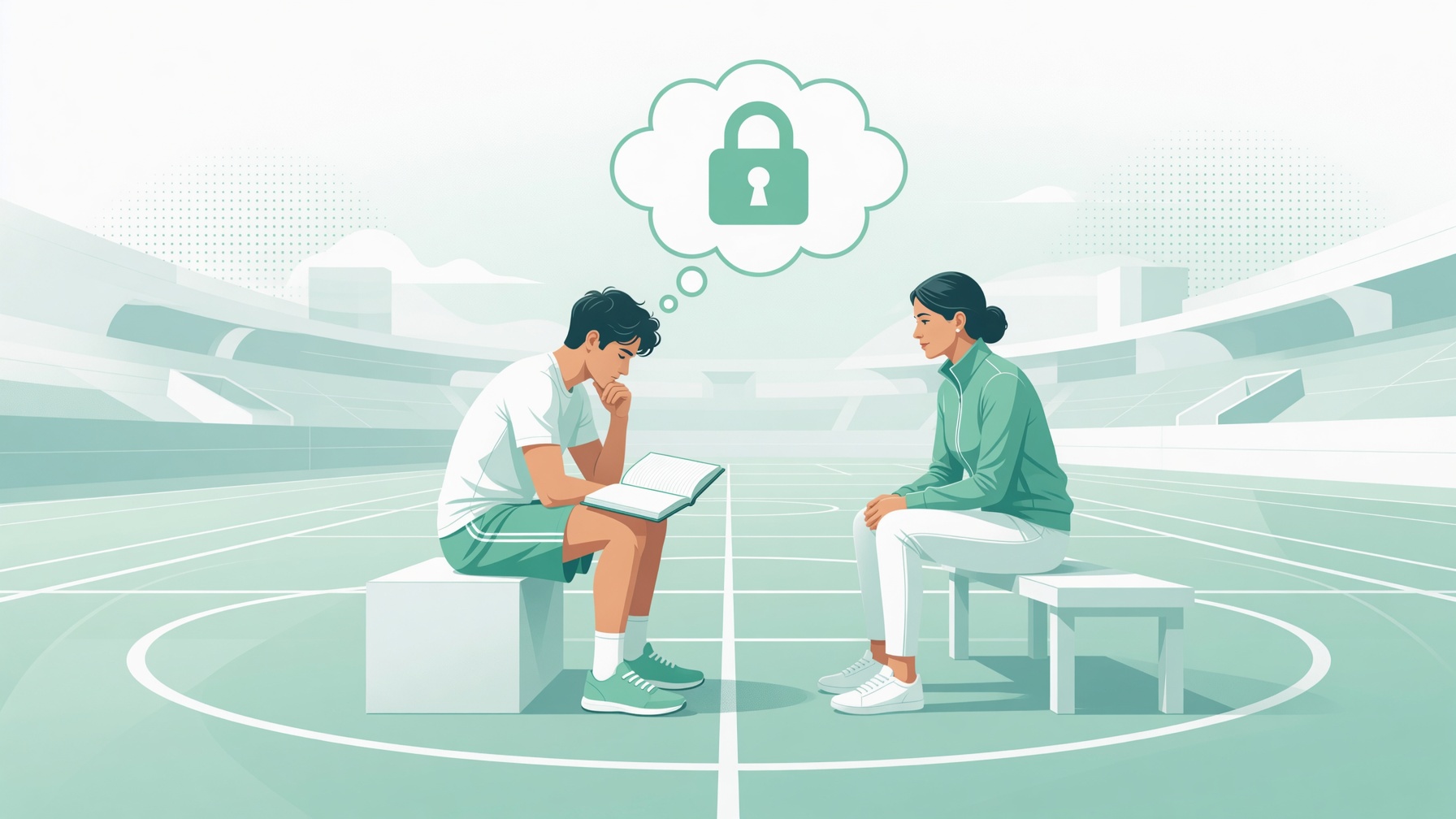
What happens when your venue plays.
A venue is the stage for all of this. When bookings are chaotic, when the front desk is overwhelmed, when a player is fighting the app instead of the opponent — the stage gets in the way. Sport becomes one more transaction.
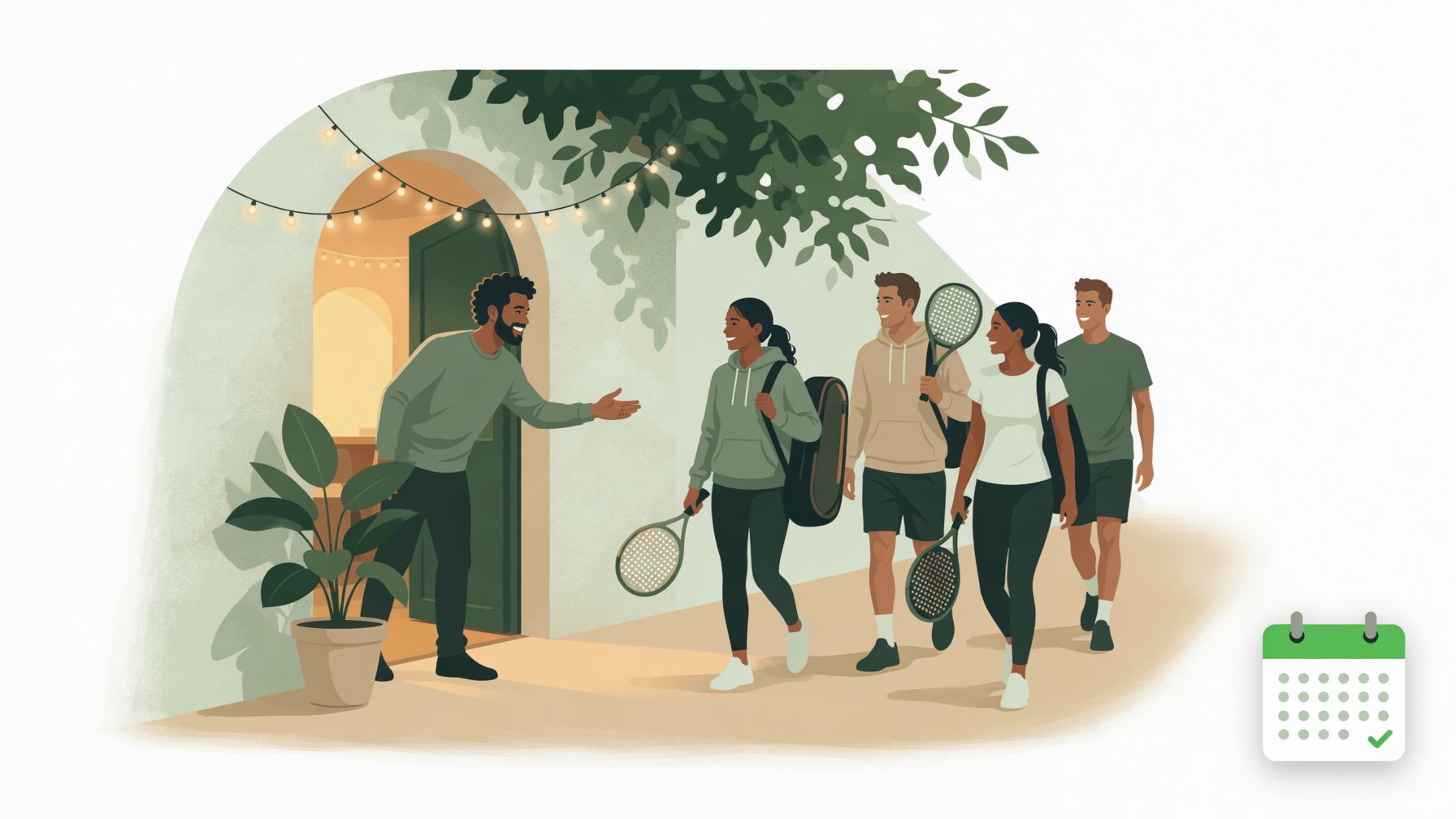
Good venues remove noise. They let people show up, play, be present, and leave lighter than they arrived. That's the venue's quiet gift. Every line of our software is built to protect it.
What we believe.
Sport is one of the most underestimated paths to presence in modern life — not separate from inner development, part of it.
Venues are community infrastructure, not entertainment vendors. They deserve tools that treat them as such.
Software that runs a venue should disappear, so the game — and the people playing it — can take centre stage.
Players come back to places where they feel seen. We build for that kind of venue.
SportZentra is built on a simple belief: sport can be more than activity. It can teach presence, patience, focus, resilience and connection.
Build a venue that feels this way.
Fifteen minutes is enough to see how we stay out of the way so your venue can feel its best.